
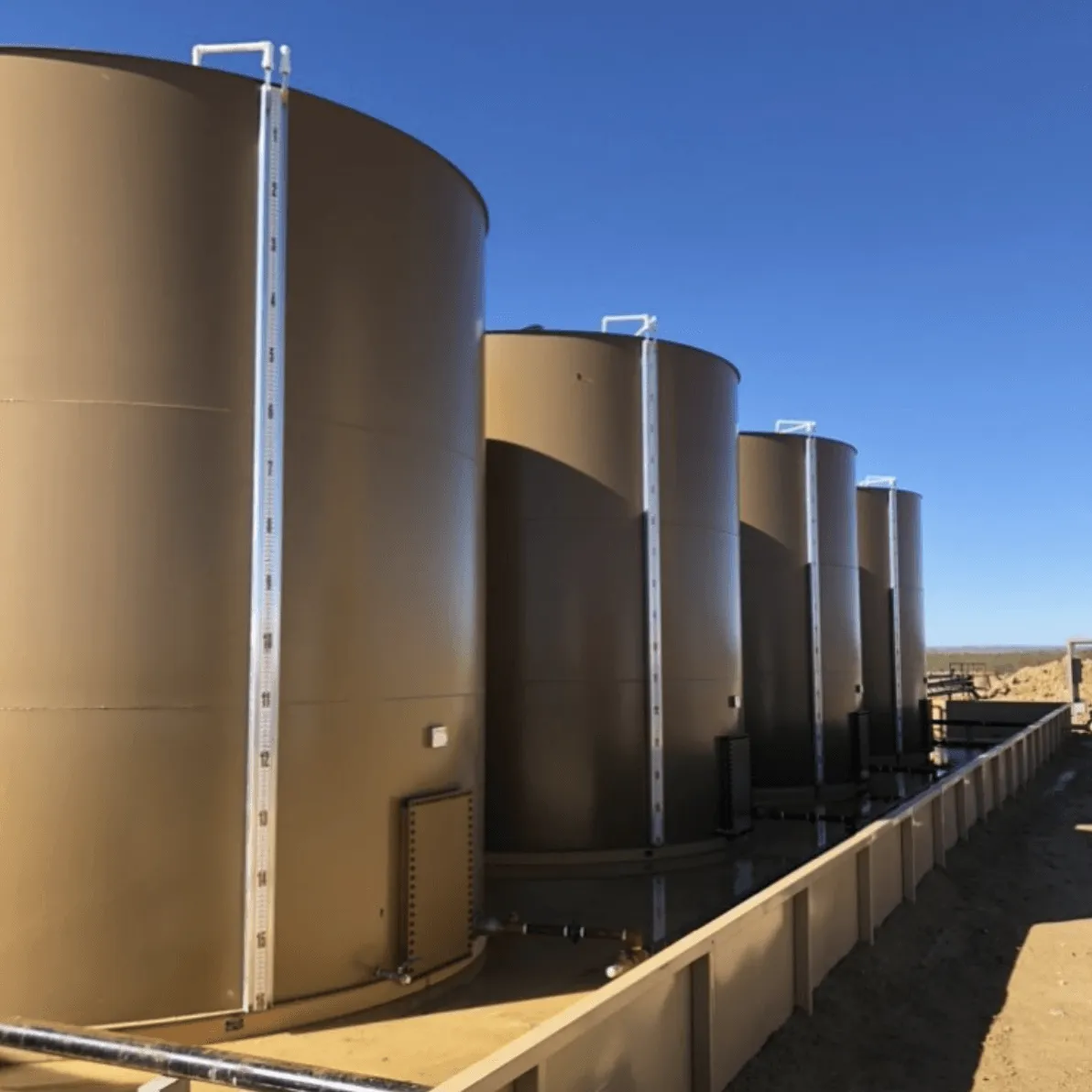
It is 2:00 AM on a high-volume flowback operation in the Scoop or Stack. You have twelve 500-barrel tanks filling rapidly with a mix of produced water, sand, and residual frac fluids. The lighting is poor, the wind is kicking up red dirt, and your flowback hands are exhausted. In this environment, a single stuck internal float or a misread string-and-board gauge is all it takes to send a surge of brine over the top of a tank. By the time the fluid hits the containment berm—or worse, breaches it—you are no longer managing a frac site; you are managing an environmental crisis, a regulatory nightmare, and a massive hit to your project’s bottom line.
Overflow incidents on frac sites are rarely the result of a single catastrophic failure. Instead, they are usually the final link in a chain of small, preventable errors rooted in poor visibility and unreliable equipment. When tank levels are difficult to read from a distance or require manual intervention to verify, the margin for error shrinks. In an industry where "zero spill" is the only acceptable standard, the equipment used to monitor fluid levels must be as rugged and reliable as the crews operating it.
The High-Stakes Environment of Frac Fluid Management
Frac sites operate at a scale and speed that standard production batteries rarely encounter. During the initial flowback phase, fluid volumes can be massive and unpredictable. Managing this volume requires constant vigilance from lease operators and flowback hands who are often juggling multiple tasks simultaneously. When the pace of operations outstrips the reliability of the monitoring equipment, the risk of an overflow increases exponentially.
The consequences of an overflow on a frac site extend far beyond the immediate cleanup costs. These incidents trigger a sequence of events that can stall an entire operation:
- Regulatory Scrutiny: Every spill must be reported, bringing state and federal inspectors to the site who will look at more than just the spill itself.
- Remediation Expenses: Vacuum trucks, contaminated soil removal, and chemical treatments for the soil are expensive line items that eat into the well's profitability.
- Operational Downtime: If a tank battery is compromised, flowback may need to be choked back or shut in entirely until the mess is contained and the site is safe.
- Reputational Damage: For service providers and operators alike, a history of spills makes it harder to secure future permits and contracts in sensitive areas.
Effective overflow prevention starts with the realization that human error is a variable that must be mitigated by mechanical reliability. If a hand has to climb a tank and pop a thief hatch to know the true level, they are less likely to check it as often as they should, especially in North Oklahoma's winter or a summer heatwave.
The Failure Points of Traditional Internal Gauging
Traditional gauging methods—specifically internal floats, string-and-board systems, or electronic sensors—frequently fail under the harsh conditions of a frac site. Frac fluids are not clean; they are loaded with chemicals, sand, and varying levels of salinity and paraffin. These elements create a hostile environment for any mechanical component located inside the tank.
Internal gauges are prone to several specific failure modes that lead directly to overflows. When a float is inside the tank, it is subject to the turbulence of the fluid being pumped in. This turbulence can cause the float to bounce or become entangled with internal tank structures. Furthermore, the buildup of paraffin or scale on the internal guide wires can cause the float to "hang up," showing a safe level while the fluid continues to rise toward the roof.
Electronic sensors, while sophisticated, present their own set of problems on a frac site. They are susceptible to power failures, signal interference, and sensor fouling. In the high-vibration environment near high-pressure pumps and manifold trailers, delicate electronics often require more maintenance than they are worth. When an electronic sensor goes dark, the default response is manual sticking, which brings the operator back to the very safety and accuracy risks they were trying to avoid.
Why External Visibility Changes the Safety Equation
External tank gauges address the core problem of fluid management by moving the indicator to the outside of the tank. This shift in design provides several critical advantages for spill prevention. By using a magnetic linkage or a direct mechanical connection that translates the internal float's position to an external flag or pointer, the operator can see the tank level from the ground or from the cab of a truck.
This visibility is a game-changer for operational efficiency and safety. When a hauler pulls onto a site, they can instantly identify which tanks are nearing capacity and which are ready to be pulled. They do not need to climb the catwalk or open the thief hatch, which reduces their exposure to H2S gas and fall hazards. More importantly, it eliminates the guesswork. If the flag is at the top, the tank is full—it is a binary, high-visibility signal that is hard to ignore even in the middle of a double shift.
External gauges also facilitate better communication between different crews. A flowback supervisor can stand at the manifold and glance across the battery to see the status of all twelve tanks in seconds. This allows for proactive management; they can switch the flow to a fresh tank long before the current one reaches a critical level. Visual verification is the fastest and most reliable way to prevent the "oops" moments that lead to environmental reports.
The Mechanical Reliability of Patented External Systems
The durability of an external gauge is its strongest selling point. Because the primary indicator is not submerged in the corrosive and gritty frac fluid, it remains functional long after internal systems have seized up. A high-quality external gauge is designed to withstand the vibration of the site and the extreme temperature swings common in Oklahoma and the surrounding basins.
Key mechanical advantages of external systems include:
- No Vapor Leaks: Since the gauge does not require the thief hatch to remain open for inspection, VOC emissions are minimized, and the tank stays sealed.
- Anti-Freeze Design: External indicators are less likely to be rendered useless by frozen condensation, a common issue with internal string-and-board setups.
- Minimal Maintenance: Without internal cables to snap or pulleys to jam, the maintenance cycle for an external gauge is significantly longer than traditional systems.
- Instant Calibration: It is easy to see if an external flag is moving freely, whereas an internal float can be stuck for hours before anyone notices.
By removing the "blind spot" inherent in traditional tank monitoring, external gauges allow lease operators to spend less time troubleshooting their equipment and more time managing the flow. This reduction in "technical debt" on the site leads to a smoother, safer operation where the risk of a spill is managed through clear, actionable data rather than luck.
Practical Takeaways for Field Supervisors
Reducing overflow incidents requires a combination of disciplined personnel and reliable hardware. When selecting gauging equipment for your frac tanks or production batteries, you should prioritize systems that offer the highest degree of visibility with the lowest amount of mechanical complexity. The goal is to make the right decision the easiest decision for your hands in the field.
At Troglin Tank Gauge Services, LLC, we have spent years refining our patented external tank gauges to meet the specific demands of the oilfield. Based in Blanchard, Oklahoma, we understand that our products have to work in real-world conditions—not just in a lab. Our gauges provide a clear, external visual of the fluid level that is unaffected by the internal turbulence or chemical makeup of frac fluids. By installing a Troglin gauge, you are removing the ambiguity that leads to overflows.
The transition to external gauging is a direct investment in your site’s operational efficiency. When your haulers can see levels from their mirrors and your flowback hands can monitor an entire battery at a glance, you aren't just preventing spills—you are streamlining the entire fluid handling process. In the oilpatch, you can't control the weather or the price of crude, but you can control how well you see your tank levels. Don't let a $500 problem turn into a $50,000 cleanup because of a stuck internal float.