Maximizing Operational Efficiency: Case Studies from the Permian Basin
In the heart of the Permian Basin, where the horizon stretches indefinitely and the pumpjacks never sleep, operational efficiency is more than just a corporate buzzword. For the lease operators, pumpers, and flow back hands working the Delaware and Midland Basins, efficiency is the difference between a smooth shift and a catastrophic equipment failure. As production volumes continue to break records, the margin for error shrinks. In this high-stakes environment, the methods used to monitor fluid levels in production tanks have become a focal point for optimization.
Maximizing efficiency in the oilfield requires a combination of rugged hardware, smart logistics, and a commitment to safety. When we look at successful operations across West Texas and Southeastern New Mexico, a recurring theme emerges: the move away from antiquated, manual measurement processes toward reliable, external monitoring solutions. This article examines real-world applications and technical strategies that are helping Permian operators stay ahead of the curve.
The Permian Challenge: Why Traditional Gauging Falls Short
The Permian Basin presents a unique set of challenges that can quickly degrade operational efficiency. High concentrations of hydrogen sulfide (H2S), extreme temperature fluctuations, and the abrasive nature of Permian sand and scale create a hostile environment for production equipment. Traditionally, lease operators and haulers have relied on manual "tank strapping" or internal float systems to monitor oil and water levels. However, these methods introduce several bottlenecks:
- Time Consumption: Manual gauging requires a pumper or hauler to climb the tank battery, open the thief hatch, and drop a tape. On a site with multiple 400-barrel tanks, this process can add 20 to 30 minutes per stop.
- Safety Hazards: Every time a worker climbs a tank, the risk of falls increases. Furthermore, opening the thief hatch exposes personnel to concentrated H2S and volatile organic compounds (VOCs).
- Mechanical Failure: Internal float systems are notorious for "gumming up" in the Permian. Paraffin buildup and corrosive salt water can cause internal components to stick, leading to false readings and potential tank overflows.
By analyzing case studies from successful operators in the region, we can see how shifting to external measurement technologies eliminates these bottlenecks and drives bottom-line results.
Case Study 1: Streamlining Fluid Logistics for Water Haulers
In a recent observation of a mid-sized salt water disposal (SWD) gathering system in Loving County, Texas, the operator struggled with "dead time" at the truck rack. Haulers were spending an average of 15 minutes per load just verifying levels before and after the transfer. Because the site relied on clouded sight glasses and manual checks, drivers often had to climb the tanks in high winds to ensure they weren't about to pull air or overfill.
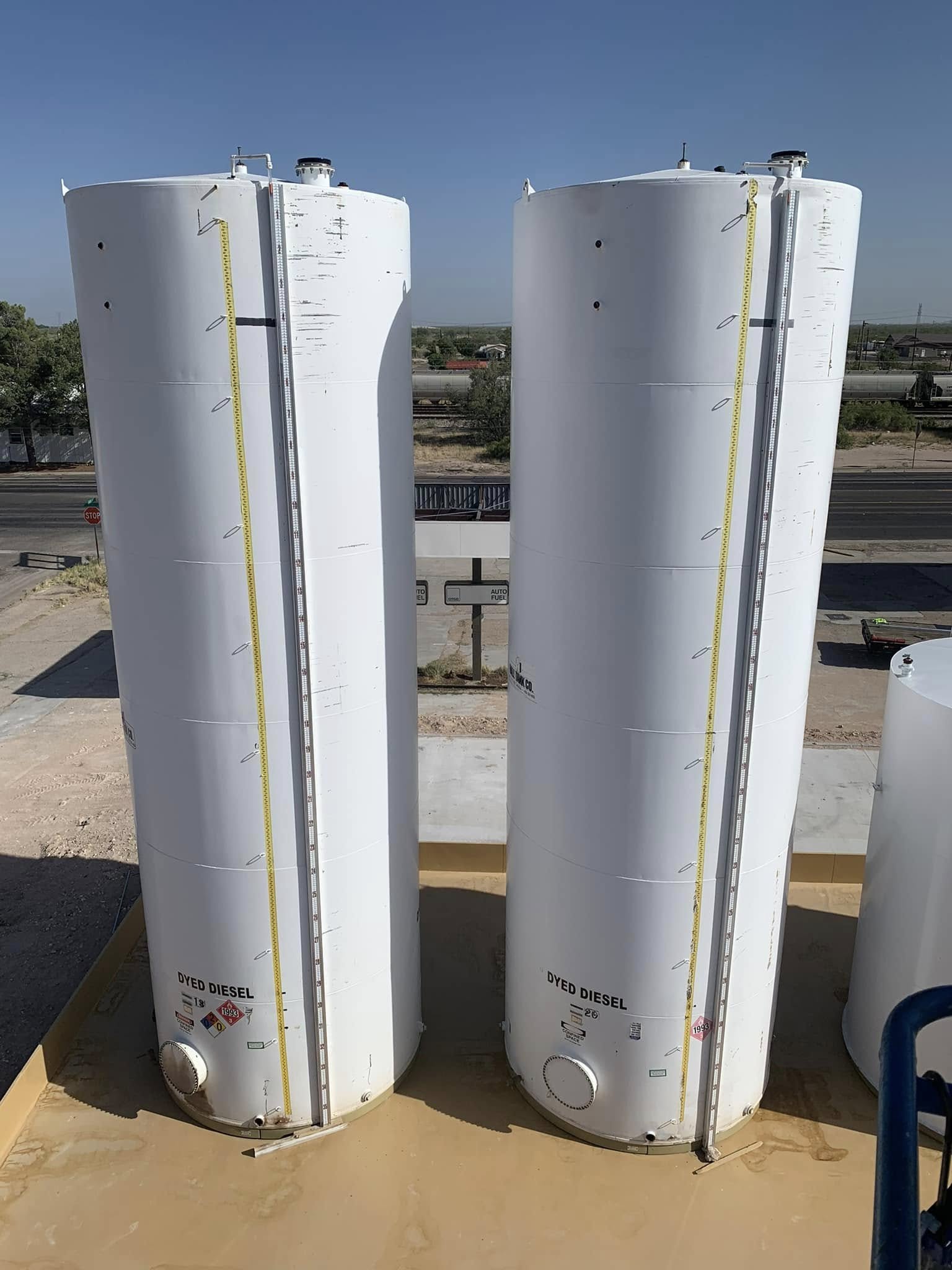
The Solution: The operator implemented high-visibility external tank gauges across the battery. These gauges allowed haulers to see the exact fluid level from the cab of their truck or from the ground near the pump manifold.
The Result: By eliminating the need to climb tanks for level verification, the site reduced the average "hook-to-unhook" time by 12 minutes per truck. Over the course of a month, with 20 trucks visiting the site daily, this saved over 120 hours of operational time. This efficiency didn't just help the haulers; it allowed the operator to process more fluid without expanding the physical footprint of the battery.
Technical Detail: The Importance of High-Contrast Visibility
In the Permian, visibility is often hampered by dust storms or low-light conditions during 24-hour operations. Technical efficiency is maximized when gauges utilize high-contrast indicators—such as bright orange or reflective targets—that move in direct correlation with the internal fluid level. This "at-a-glance" capability is a primary driver of speed in fluid logistics.
Case Study 2: Enhancing Flow Back Accuracy and Safety
Flow back operations are among the most dynamic phases of a well's life. During initial production, fluid ratios can change rapidly, requiring constant monitoring to prevent environmental spills. A flow back crew operating in the Midland Basin reported issues with traditional sight glasses becoming stained by heavy oil, making them unreadable within days of installation.
The Solution: The crew transitioned to a patented external gauge system that utilized a magnetic linkage. Because the indicating hardware was located outside the tank and completely sealed from the process fluid, the staining and paraffin issues were eliminated.
The Result: The flow back hands were able to maintain 100% visibility of tank levels without ever cracking a hatch. This kept the site in compliance with strict emission standards and ensured that the crew stayed on the ground, away from the "red zone" of the tank tops. The accuracy of the external gauges allowed for more precise billing and fluid tracking, reducing the discrepancy between "tank inches" and "hauler barrels."
Reducing Maintenance Overhead
Efficiency isn't just about speed; it's about reducing the total cost of ownership. Internal gauges often require the tank to be emptied or "steamed out" for repairs. An external system allows for maintenance or calibration while the tank is in service, ensuring that production never has to stop for a gauge repair.
Maximizing the ROI of Your Tank Battery
To truly maximize operational efficiency, pumpers and lease operators should look for equipment that follows the "Set It and Forget It" principle. In the Permian, if a piece of equipment requires constant cleaning or adjustment, it is a liability, not an asset. When evaluating tank gauging technology, professionals should prioritize the following technical features:
- Non-Invasive Measurement: Systems that do not require internal mechanical linkages are less likely to fail due to corrosion or paraffin.
- Environmental Resilience: Hardware must be able to withstand 110°F summer days and freezing winter nights without losing accuracy.
- Universal Compatibility: The ability to install the gauge on various tank heights (from 8ft to 32ft) ensures a standardized workflow for the pumper across different leases.
- Regulatory Compliance: With increased scrutiny on methane emissions, systems that allow for closed-system monitoring (keeping the thief hatch shut) are essential for long-term operational viability.
By focusing on these technical details, operators can reduce "windshield time" for pumpers, minimize the risk of expensive spills, and ensure that every person on the lease returns home safely at the end of their hitch.
Precision Engineering for the Modern Oilfield
As the case studies above demonstrate, the path to peak operational efficiency in the Permian Basin is paved with reliable, high-visibility technology. At Troglin Tank Gauge Services, LLC, based in Blanchard, OK, we understand the grit and grind of the oilfield. We have spent years perfecting our patented external tank gauges to meet the specific demands of lease operators, haulers, and flow back hands.
Our external gauges are designed to provide the most accurate, durable, and visible level indication in the industry. By eliminating the need for workers to climb tanks and open hatches, Troglin gauges directly contribute to a safer and more efficient job site. Whether you are managing a remote lease in the Delaware Basin or a high-volume disposal site, our American-made solutions ensure you spend less time second-guessing your levels and more time moving production forward. Maximize your efficiency today with Troglin Tank Gauge Services—where accuracy meets the rugged reality of the oilfield.