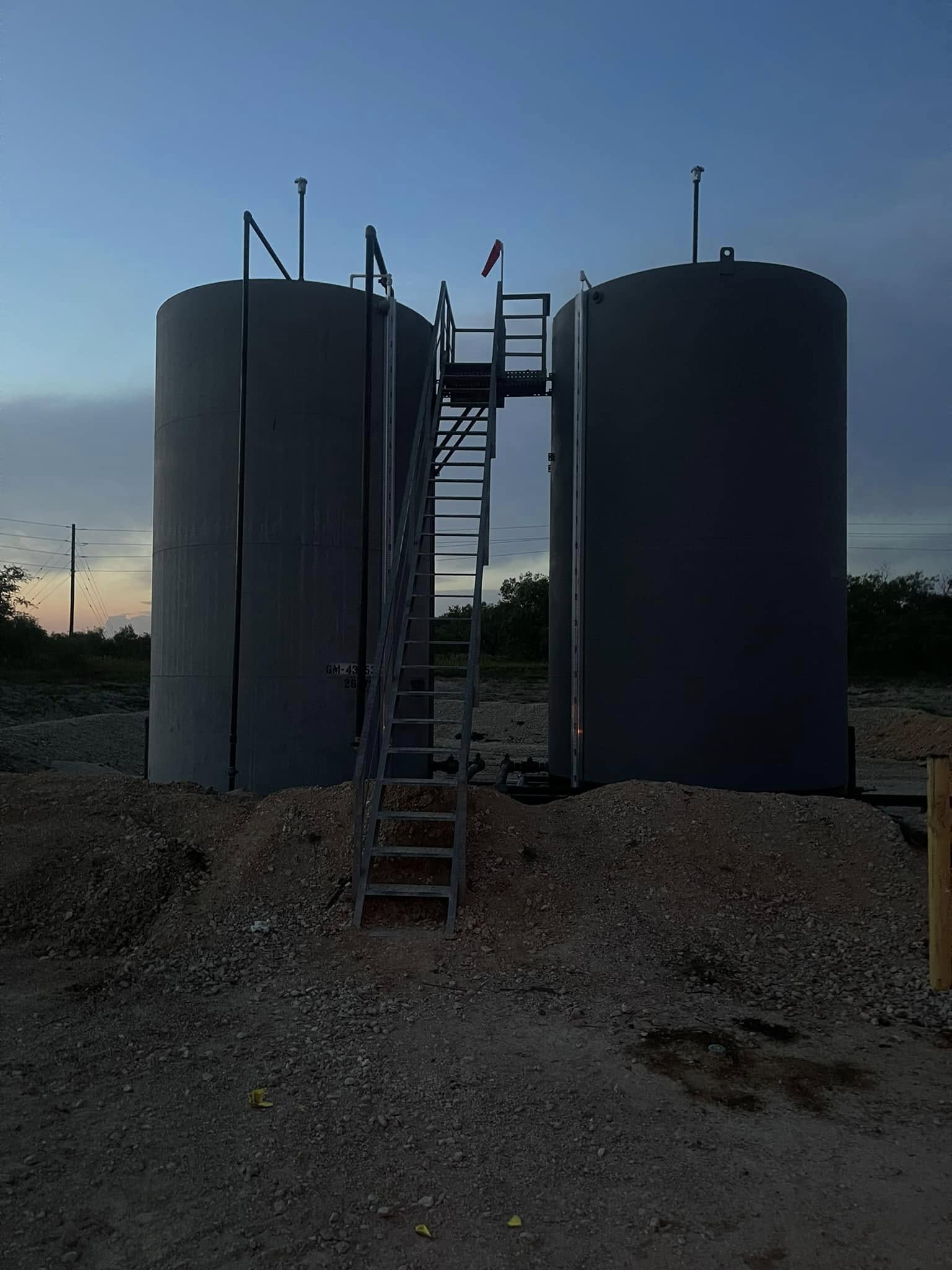
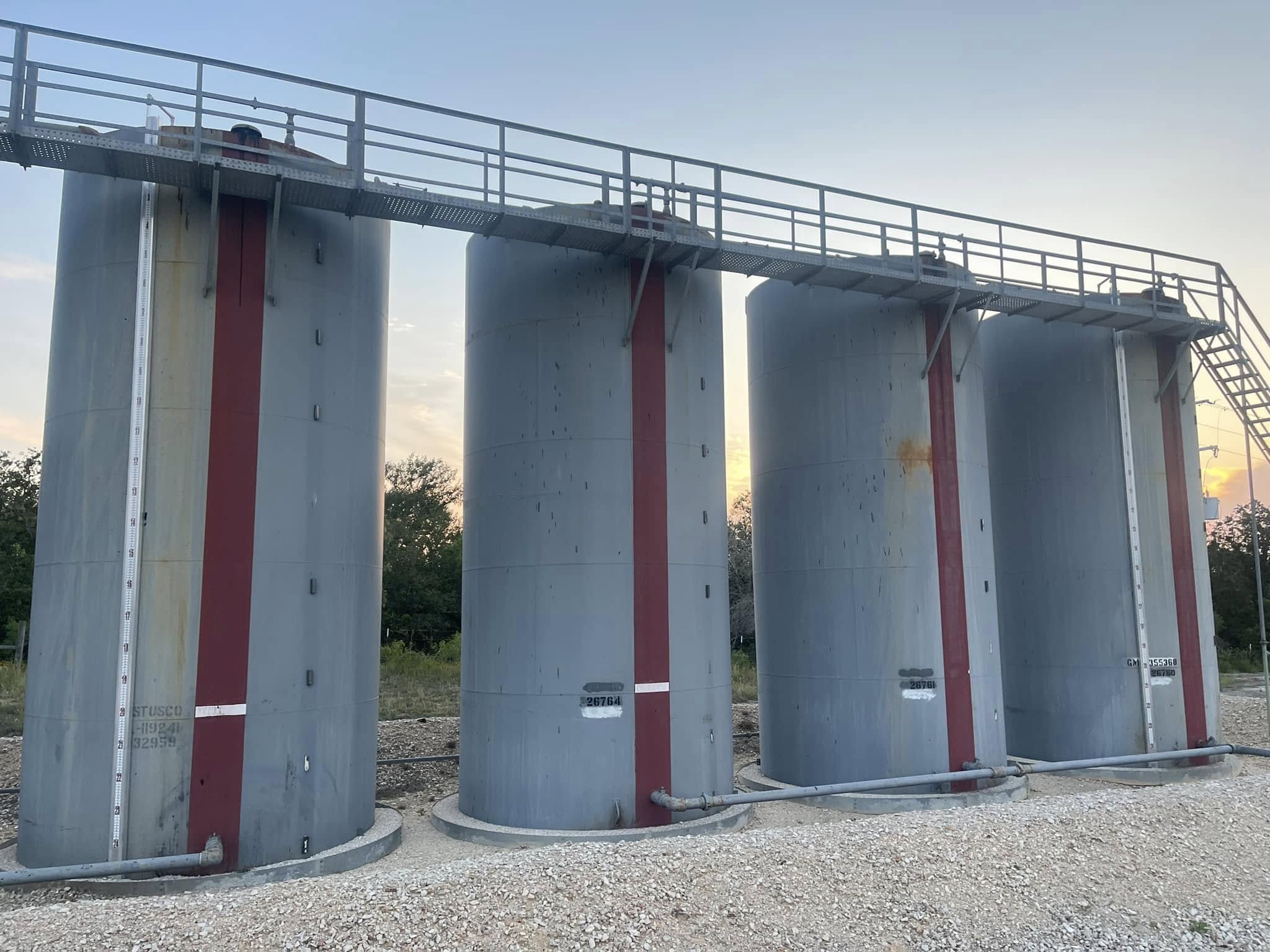
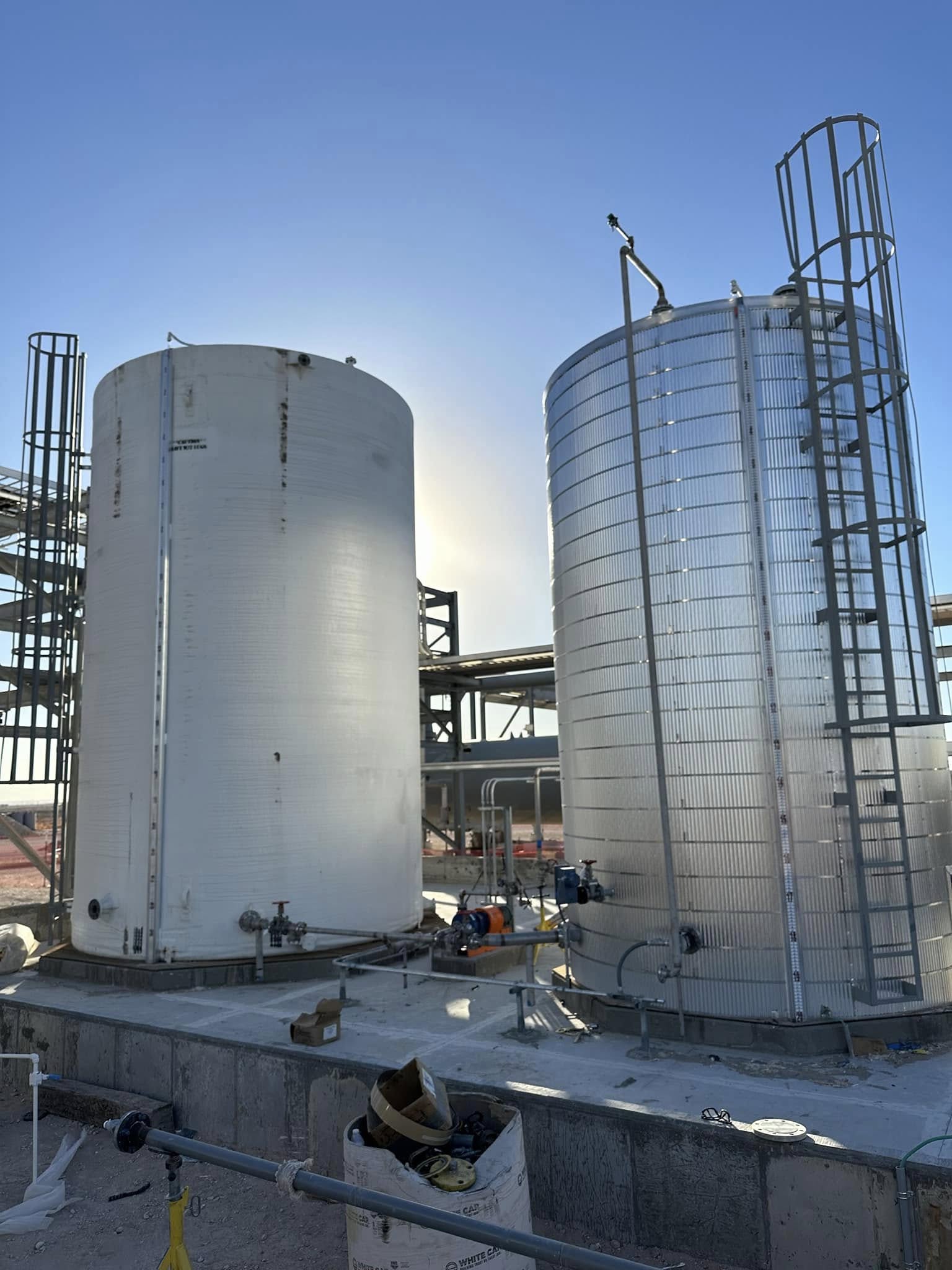
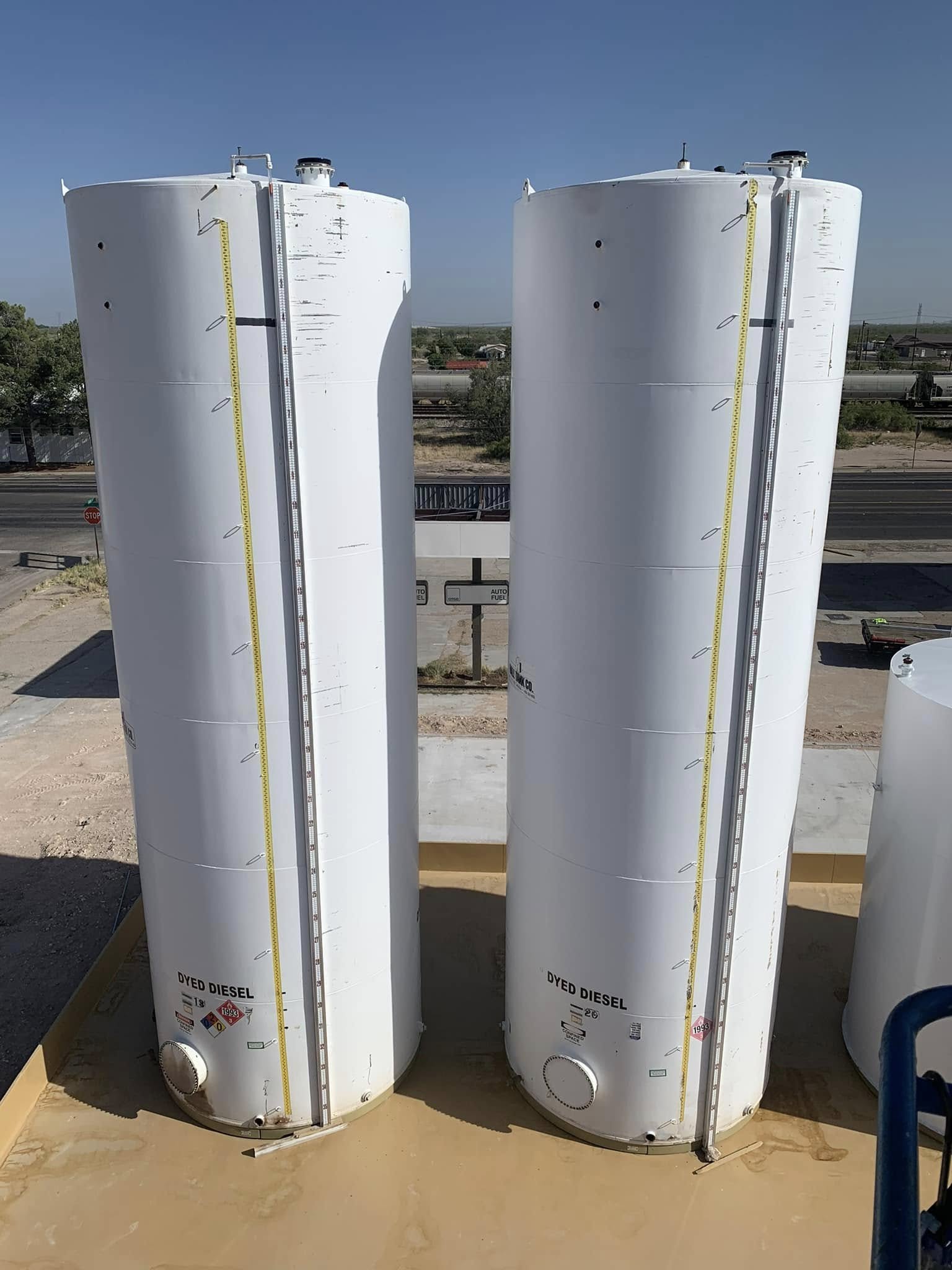
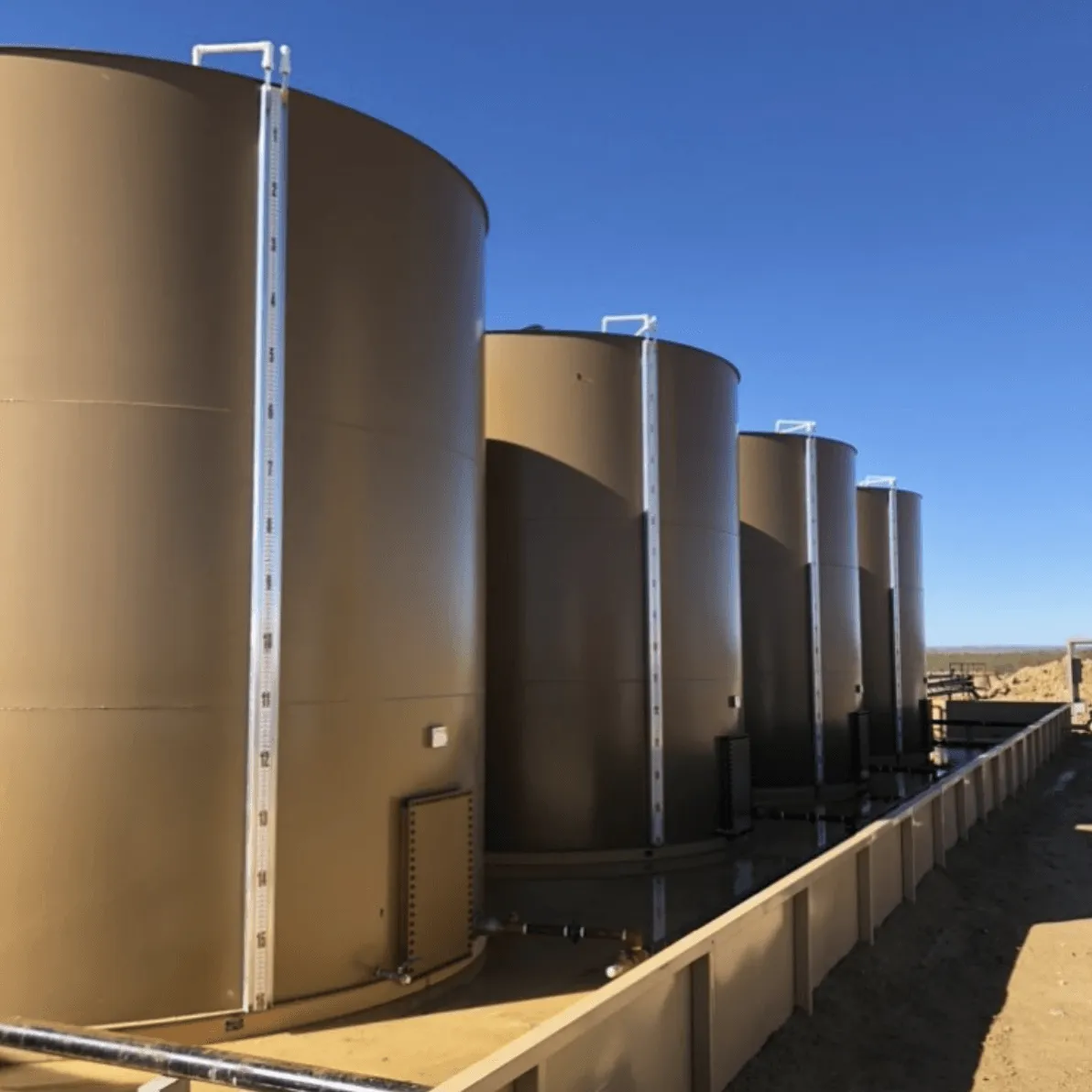
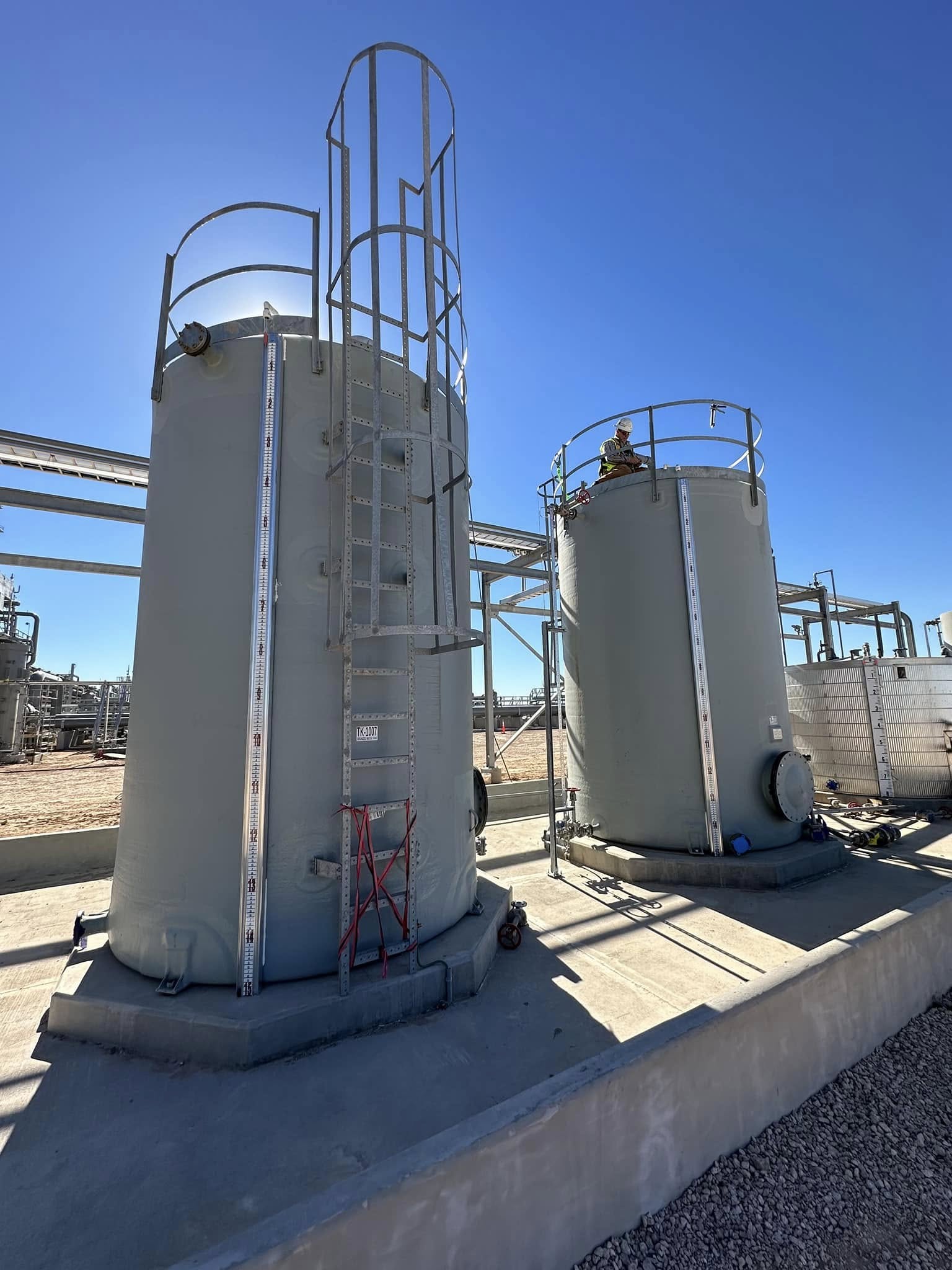
Not all production tanks are built the same — and not all gauges fit all tanks. Whether you're running steel or fiberglass, here's what to know about selecting and installing the right external gauge.
Battery tank sites require consistent, accurate fluid level tracking to manage inventory and stay compliant. Learn the best practices that top lease operators use to stay ahead of the data.
Produced water handling is one of the most critical operations in today's oilfield. External tank gauges improve fluid visibility, reduce overflow risk, and keep crews safer on produced water sites.
Frac tanks move fast, and so does the fluid inside them. External tank gauges provide the rapid fluid-level visibility needed on active frac sites without slowing down your operation.
Tank overflows on frac sites are costly, environmentally damaging, and potentially dangerous. External gauges give operators the real-time fluid visibility they need to prevent spills before they happen.
Choosing between a single and dual external tank gauge comes down to what you're measuring. This guide breaks down the differences and helps you pick the right solution for your operation.
Every time an employee climbs a storage tank to check fluid levels, they're taking on serious risk. Falls from elevation are among the leading causes of fatalities in the oilfield — and most of them are preventable.
Manual tank gauging is a routine task on production sites — but it comes with regulatory requirements that many operators overlook. Here's what OSHA says and how to stay compliant.
Hydrogen sulfide is one of the most dangerous gases in the oilfield. External tank gauges eliminate the need to open hatches — keeping your crew safe from H2S exposure every time they check fluid levels.
Falls from production tanks are a leading cause of serious injury in the oilfield. This practical guide covers what lease operators can do right now to protect their crews and reduce liability.
Traditional tank gauging requires climbing, opening hatches, and using a measuring tape. External gauges give you the same accurate data from the ground. Here's a direct side-by-side comparison.
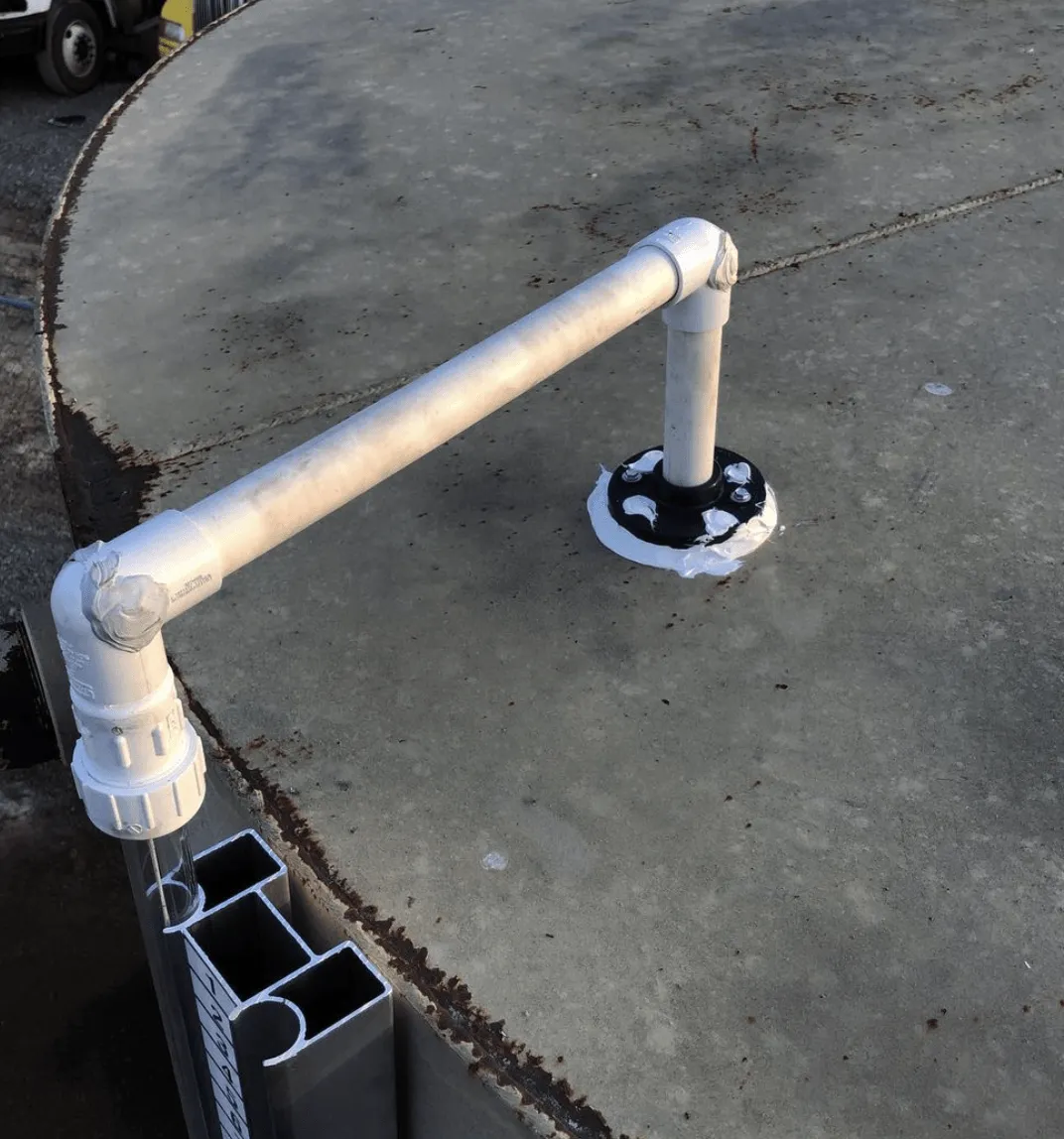
Troglin's patented external tank gauges use a simple float-and-cable mechanism to display accurate fluid levels on an external board — no climbing required. Here's exactly how the system works.
Tank sight glasses have long been the go-to for measuring fluid levels, but they come with serious maintenance and safety limitations. Discover why external float gauges are the modern upgrade.
Manual tank gauging eats up hours every week. When you add up the time your pumper spends climbing tanks across multiple leases, the lost productivity is staggering — and expensive.
Manual gauging doesn't just cost time — it costs serious money. Between labor hours, injury liability, and spill cleanup, the true cost of traditional gauging may surprise you.