Imagine you are on a flowback site at 3:00 AM in the middle of a West Texas windstorm or a freezing Oklahoma rain. You need an accurate reading on a 500-barrel frac tank to manage the incoming fluid and coordinate with the water haulers. If the target on your traditional float-and-board gauge is stuck, or if the internal cable has snapped due to heavy sand and high-viscosity fluids, you are left with two bad options. You can either climb the ladder to manually tape the tank—risking a slip-and-fall in nasty conditions—or you can guess, which is how expensive spills and environmental remediation orders start. In the completions and flowback world, knowing exactly where your fluid level sits isn't just a matter of convenience; it is a fundamental safety and operational requirement.
The Reality of Frac Tank Monitoring in the Field
Frac tanks are the workhorses of the oilfield, but they are often equipped with the most basic and unreliable monitoring equipment. Because these tanks are frequently moved from one location to another, the gauging systems are subjected to constant vibration, physical impacts, and varying environmental conditions. A gauge that works perfectly on a stationary production tank might fail within a week on a mobile frac tank. The internal components of many gauges are simply not designed to handle the abrasive nature of flowback fluids, which often contain sand, heavy chemicals, and corrosive brine.
When an internal float system fails, it usually happens at the worst possible time. Paraffin buildup, sand sedimentation, or a simple mechanical failure of the pulley system can cause the indicator to freeze in place. For a pumper or a flowback hand, a frozen gauge is worse than no gauge at all because it provides a false sense of security. If the gauge shows 300 barrels but the tank is actually pushing 480, you are minutes away from an overfill that could shut down the entire operation and bring a regulatory inspector to your site.
The operational challenges of frac tank monitoring typically stem from three main issues:
- Mechanical Vulnerability: Internal cables and floats are easily damaged during tank cleaning or when the tank is being spotted on a new location.
- Visibility Issues: Many standard gauges use small, faded indicators that are impossible to read from a distance or through a truck windshield during a storm.
- Maintenance Requirements: If a gauge fails on a tank full of fluid, you cannot easily repair it without emptying the tank and sending a hand inside, which introduces confined-space entry risks and significant downtime.
Operational Efficiency and Cost Mitigation
Efficiency in the oilfield is measured by how little time you spend fixing problems that shouldn't have happened in the first place. In the context of water management and completions, every minute a pump is shut down because of an unconfirmed fluid level is money out of the operator's pocket. Accurate gauging allows field supervisors to optimize haul-off schedules, ensuring that trucks are dispatched only when necessary and that they are loaded to their maximum legal capacity. Without reliable gauges, you end up with "short loads" or, conversely, trucks sitting idle while waiting for a tank to reach a certain level.
Furthermore, the cost of an overfill on a frac tank goes far beyond the lost fluid. You have to account for the cost of vacuum trucks for cleanup, the potential for soil remediation, and the man-hours spent on incident reporting. In many jurisdictions, a spill on a well site can lead to automatic fines and increased scrutiny on future permits. By moving to a more reliable external gauging system, you mitigate these risks and create a more predictable work environment for your haulers and flowback crews.
Consider the logistical benefits of a high-visibility external gauge for the people actually doing the work:
- Better Coordination: Water haulers can see the fluid levels from the cab of their truck as they pull onto the location, allowing them to position their hoses more effectively.
- Reduced Labor: Pumpers and lease operators can check levels on multiple tanks with a quick visual sweep rather than having to walk to each individual ladder.
- Improved Accuracy: High-contrast indicators allow for more precise "strapping" of the tank, ensuring that the volume reported on the run ticket matches the actual volume moved.
Durability Requirements for Completion Environments
The environment surrounding a frac tank is hostile to mechanical equipment. High-pressure pumps create constant vibration, and the fluids being stored are often chemically aggressive. Standard gauges often use components that corrode when exposed to H2S or high-salinity produced water. This is why the industry is moving toward external gauging solutions that isolate the mechanical moving parts from the fluid itself. An external gauge that utilizes hydrostatic pressure or magnetic coupling removes the need for cables and floats to be submerged in the "nasty stuff."
Maintenance is another critical factor. On a completions site, you don't have the luxury of time. If a gauge goes down, it needs to be serviceable from the ground. External gauges that are mounted to the outside of the tank allow for quick inspections and repairs without requiring a "hot work" permit or a confined-space entry. This keeps the site safer and ensures that the equipment remains in service for the duration of the job. For rental companies that provide frac tanks, having a durable, low-maintenance gauge is a competitive advantage because it reduces the "make-ready" time between jobs.
"In the oilfield, the simplest solution that works in the rain, mud, and dark is always the superior solution. Complexity is the enemy of reliability."
When evaluating a gauge for frac tank service, you should look for several specific technical features:
- Corrosion Resistance: Components should be made of stainless steel, aluminum, or high-grade polymers that can withstand exposure to frac chemicals and saltwater.
- Clear Increments: The scale should be clearly marked in barrels or feet/inches, with high-contrast lettering that doesn't fade after six months of UV exposure.
- Impact Protection: The gauge assembly should be robust enough to handle the "roughneck" nature of tank transport and setup.
- Zero-Leak Design: Since environmental protection is the goal, the gauge must have a redundant sealing system to ensure that the gauge itself never becomes a leak point.
Practical Takeaways for Field Supervisors and Operators
If you are responsible for managing a fleet of frac tanks or overseeing a flowback operation, the goal is to eliminate variables. A gauge shouldn't be a variable; it should be a constant. Moving away from traditional internal float systems to a patented external gauge provides a level of reliability that pays for itself the first time it prevents a spill or saves a hauler thirty minutes on a load-out. It also shows a commitment to safety by keeping your hands off the ladders and on the ground where they belong.
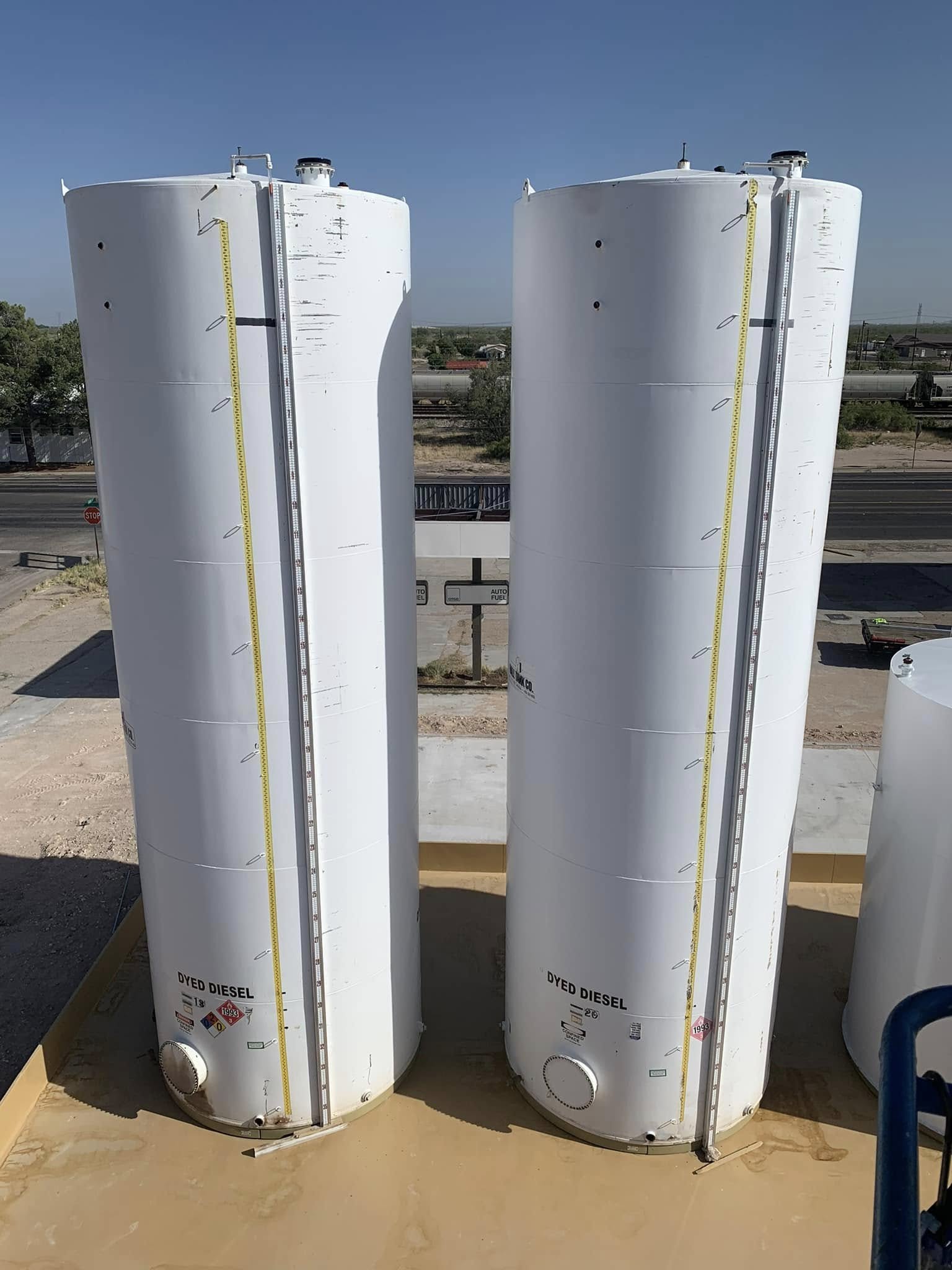
Troglin Tank Gauge Services, LLC manufactures patented external gauges specifically designed to solve the problems inherent in oilfield fluid management. Our gauges are built in Blanchard, Oklahoma, with the understanding that "field-proven" means it has to work in the harshest conditions. Unlike generic systems, Troglin gauges offer:
- External Mounting: This keeps all critical moving parts out of the fluid, preventing corrosion and mechanical binding from sand or paraffin.
- High-Contrast Visibility: Our indicators are designed to be seen from across the location, even in low-light or poor-weather conditions.
- Ease of Installation: Our patented design can be retrofitted to existing frac tanks or specified for new builds, providing a consistent monitoring solution across your entire fleet.
- Minimal Maintenance: By simplifying the mechanical action and using higher-grade materials, we have reduced the common failure points found in standard board gauges.
When you choose a gauging system for your frac tanks, you are choosing your level of risk. A cheap gauge is an expensive liability. Investing in a patented external system from Troglin Tank Gauge Services ensures that your team has the data they need to keep the job running safely and efficiently. Whether you are a lease operator, a flowback hand, or a field supervisor, having a reliable "set of eyes" on your tank levels is the only way to operate with confidence in today's oilfield.