Optimizing Produced Water Management with Precision Tank Gauging Solutions
In the modern oilfield, the management of produced water is no longer a secondary concern—it is a mission-critical logistical operation. For every barrel of oil brought to the surface, several barrels of saltwater typically follow. As production volumes increase, the infrastructure required to store, transport, and dispose of this water must operate with industrial-grade efficiency. For lease operators, pumpers, and water haulers, the heartbeat of this operation is the storage tank. However, managing these tanks effectively requires more than just storage capacity; it requires accurate, real-time visibility into fluid levels.
Produced water handling presents unique challenges that traditional oil storage doesn't always face. From the highly corrosive nature of the brine to the rapid turnover of fluid at Salt Water Disposal (SWD) sites, the equipment used to monitor these tanks must be as rugged as the environment itself. This article explores the specific demands of produced water gauging and how high-quality tank monitoring solutions can streamline operations, improve safety, and protect the bottom line for operators in the Mid-Continent and beyond.
The Harsh Reality of Produced Water Environments
Produced water is arguably the most difficult fluid to manage in the oilfield. Unlike relatively stable crude oil, produced water is a complex "cocktail" of high-salinity brine, residual hydrocarbons, dissolved solids, and often, corrosive gases like hydrogen sulfide (H2S). These elements create a perfect storm for equipment failure.
Combatting Corrosion and Scaling
Internal tank components are often the first casualty in water handling operations. Traditional internal float-and-tape systems or electronic sensors submerged in the fluid are constantly bombarded by salt and chemicals. Over time, salt crystals and mineral scale build up on these components, causing floats to stick or electronic sensors to send "ghost" readings. For a pumper, a stuck gauge isn't just an inconvenience; it is a liability that can lead to an environmental spill or an unexpected tank "run-over."
Handling High Turnover Rates
In high-volume flow back operations or at active SWD facilities, tank levels change rapidly. Water haulers are constantly cycling in and out, and disposal pumps may be running 24/7. In these high-activity zones, manual gauging via the thief hatch is not only inefficient but also increases the frequency of "opening the tank to atmosphere," which leads to the escape of vapors and increased safety risks for personnel.
Improving Operational Logistics for Haulers and Pumpers
The efficiency of a water-handling operation is often measured by the speed and accuracy of the "load out." When a water hauler pulls onto a lease, they need to know exactly how much room is in the tank or exactly how much fluid is available to pull. Any ambiguity leads to wasted time or, worse, overweight trucks and potential road violations.
Visual Clarity from the Cab
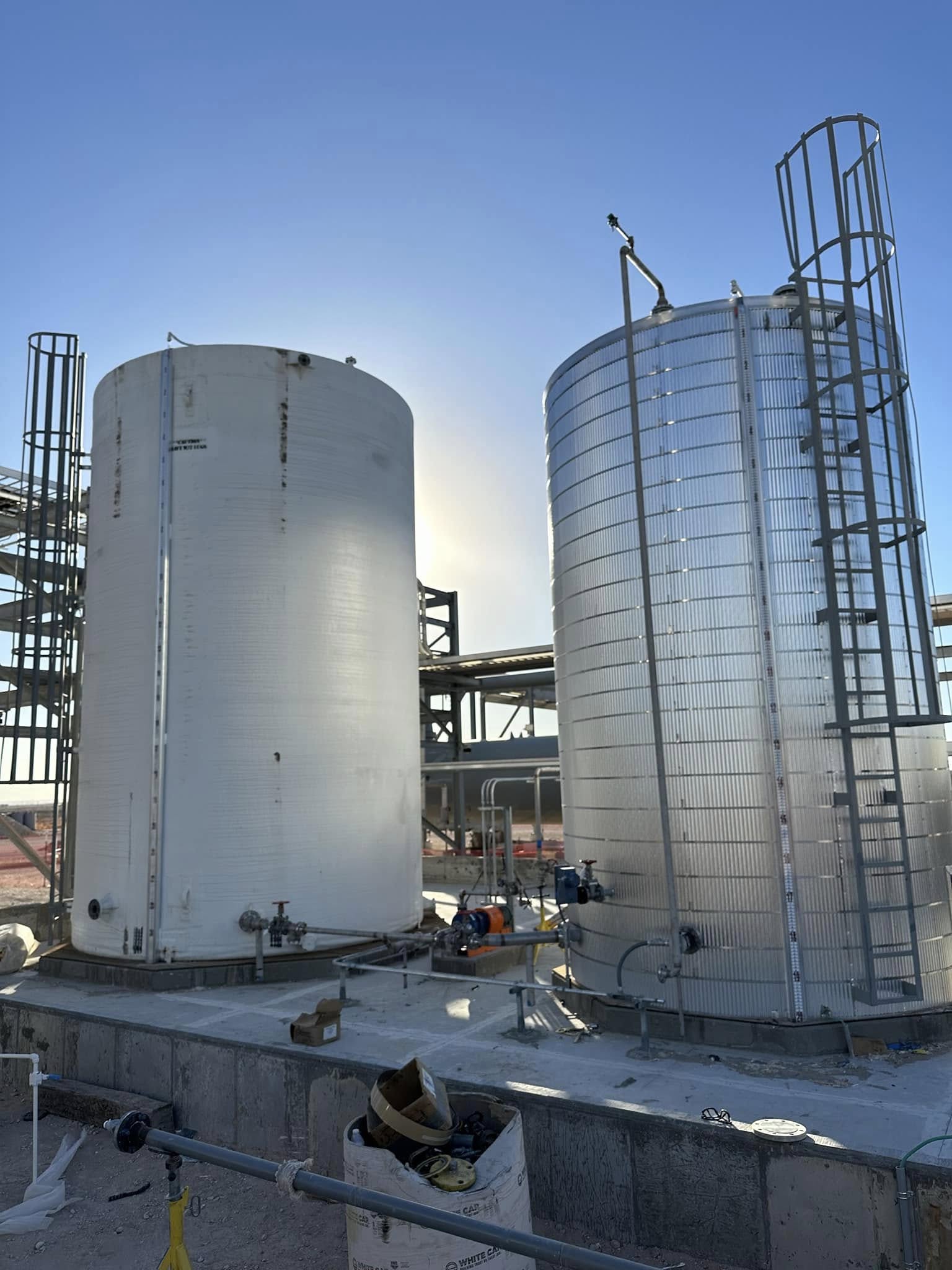
One of the most practical advantages of a high-quality external tank gauge is visibility. When a truck driver can see a clear, high-contrast indicator from the cab of their truck, they can position their vehicle and prepare their hoses without having to climb to the top of the catwalk. This "at-a-glance" monitoring speeds up the transition time between loads, allowing for more hauls per shift and better utilization of transportation assets.
Reducing Human Error in Documentation
Accurate tank gauging provides a reliable "source of truth" for both the operator and the hauling contractor. By having a clear, external scale that is easy to read, pumpers and haulers can reconcile volumes more accurately. This reduces disputes over hauled volumes and ensures that the SWD facility is billing for the correct amount of water processed. In an industry where margins are tight, every barrel accounted for is a win for the operator’s balance sheet.
Prioritizing Safety and Environmental Compliance
In the current regulatory landscape, environmental stewardship and worker safety are at the forefront of every oilfield operation. Produced water spills are particularly damaging because the high salt content can "sterilize" soil for years, leading to expensive remediation costs and fines from state agencies like the Oklahoma Corporation Commission (OCC).
Eliminating Hatch Hazards
Every time a pumper or hauler climbs a tank to "gauge the hole," they are exposed to potential fall hazards and concentrated H2S gas. By utilizing a reliable external tank gauge, the need to open the thief hatch is significantly reduced. This "closed-loop" approach to monitoring keeps the pumper on the ground and the hazardous vapors inside the tank. This is not just a safety preference; it is increasingly becoming a standard best practice for major operators looking to minimize their EHS (Environmental, Health, and Safety) exposure.
Preventing Tank Overfills
The most common cause of produced water spills is a simple overfill. Whether it's a disposal pump that didn't kick on or a flow back line that was more productive than expected, a tank can reach capacity quickly. External gauges provide a constant, mechanical backup to electronic systems. If a digital sensor fails due to a power surge or a lightning strike—a frequent occurrence in Oklahoma’s "Tornado Alley"—the mechanical external gauge remains operational, providing the pumper with a fail-safe way to verify levels before a disaster occurs.
The Troglin Solution for Produced Water Gauging
When it comes to the specialized needs of produced water handling, Troglin Tank Gauge Services, LLC provides the industry-leading standard with our patented external tank gauges. Based in Blanchard, Oklahoma, we understand the specific challenges faced by operators in the SCOOP, STACK, and Permian basins. Our gauges are designed specifically to overcome the limitations of internal monitoring systems.
The External Advantage
Because the Troglin tank gauge is mounted externally, the moving parts and the indicator itself never come into contact with the corrosive produced water. This eliminates the risk of scale buildup, salt corrosion, and "sticky" floats that plague internal systems. Our design ensures that the gauge remains accurate and easy to read, regardless of the chemical composition of the fluid inside the tank.
Durability and Reliability
We build our gauges to withstand the elements. From the blistering summer heat to freezing winter storms, Troglin gauges are engineered for longevity. For lease operators and pumpers, this means fewer trips to the site for maintenance and a monitoring system that "just works." When you install a Troglin gauge, you are investing in a piece of equipment that will likely outlast the well itself.
Simplified Installation and Maintenance
Our patented system is designed for quick installation on both new and existing tank batteries. This makes it easy for operators to retro-fit their water tanks with a superior gauging solution without significant downtime. For water handling operations where every minute counts, Troglin provides the reliability you need to keep the water moving and the production flowing.
In conclusion, produced water handling is a high-stakes component of oilfield operations. By choosing a tank gauging solution that prioritizes visibility, durability, and safety, operators can significantly reduce their risk and improve their operational efficiency. Troglin Tank Gauge Services, LLC is proud to support the men and women of the oilfield with American-made, patented technology that stands up to the toughest water-handling environments in the world.